
Zoning, Permits, and Certificates
What are zoning regulations?
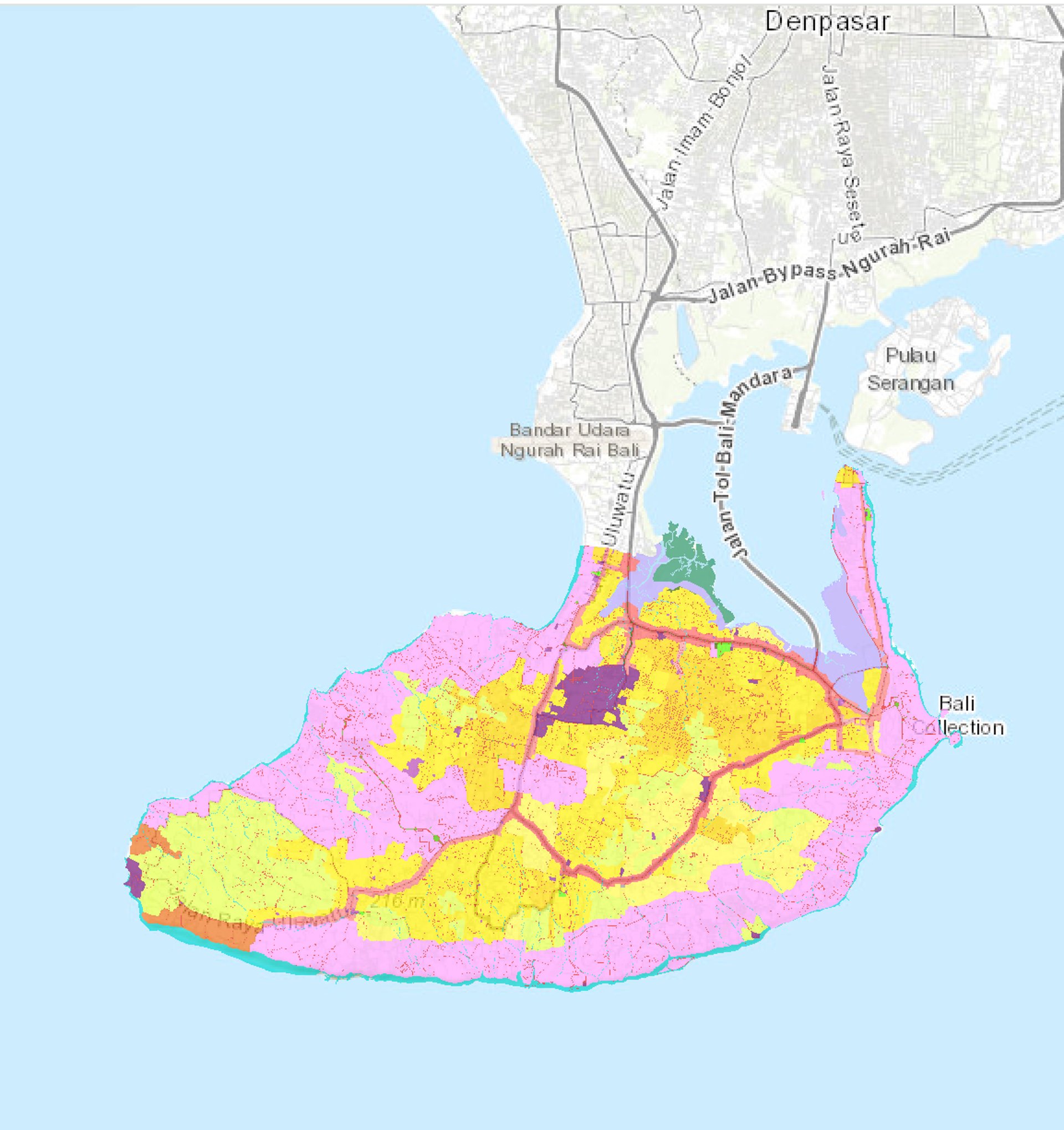
Every plot of land in Bali is assigned a zoning classification, which determines what type of buildings and activities are legally permitted. The main zoning categories include:
Residential (Permukiman): For private homes and villas.
Tourism (Pariwisata): For hotels, guesthouses, and rental villas.
Commercial (Perdagangan & Jasa): For shops, offices, businesses, guesthouses and rental villas.
Green Zone (Hijau): Agricultural or protected land where no construction is allowed.
Who verifies zoning compliance?
The notary (PPAT) plays a crucial role in property transactions. Before finalising a sale, the notary will check the land certificate, its zoning classification and whether the property is eligible for the intended use (e.g., private villa vs. commercial rental). This prevents legal issues after purchase.
What is a PBG?
The PBG (Persetujuan Bangunan Gedung) is the building permit that replaced the IMB in 2021. It confirms that the construction plan complies with zoning rules, building codes, and safety regulations.
Without a PBG, you cannot legally build. It is also necessary for:
Utility connections (electricity, water).
Legal certainty.
Preserving and increasing property value.
Who is responsible for obtaining the PBG?
For new projects or off-plan villas, the developer takes care of the PBG application.
For individual owners, if you plan to build or renovate, you must apply for the PBG yourself (usually through an architect or notary).
How do I apply for a PBG?
Applications are submitted via the government’s OSS system, usually with the assistance of an agent, architect or notary. You’ll need ownership documents, architectural drawings, and technical calculations. The application is reviewed by Dinas PUPR (Public Works and Housing Office).
How long does a PBG application take and what are the costs?
Time: 1–6 months.
Costs: IDR 30 – 150 million, depending on size and type of building.
What is an SLF?
The SLF (Sertifikat Laik Fungsi) certifies that a building has been constructed properly, according to the function applied for and is safe for use.
An SLF is mandatory for commercial use (rental villas, hotels, restaurants, offices). For private residential use, it is not always required, but strongly recommended.
How do I apply for an SLF?
After construction is completed, the application is submitted through the OSS system. Required documents include:
The PBG.
As-built drawings.
Technical reports and photos.
Inspection by Dinas PUPR.
How long does an SLF application take and what are the costs?
Time: 1-6 months.
Costs: IDR 10 – 100 million depending on the property.
Can I apply for an SLF retroactively if my property is already built?
Yes, through a process called regularization. You will need as-built drawings and a technical inspection. Authorities may require modifications and can impose fines.
What is retroactive regularization?
This is the legalization procedure for properties built without proper permits. You must first apply for a PBG, then an SLF. The process takes longer and is more expensive.
What are the costs of retroactive regularization?
Time: 3–12 months.
Costs: IDR 50 – 150 million, due to additional documentation, inspections, and possible fines.
What are the risks if I don’t have a PBG or SLF?
Fines or closure of the property.
Legal issues when renting or selling.
Problems with insurance claims.
Lower property value.
Get in touch
Address
Segara Harbor, Jungutbatu,
Nusa Lembongan, Klungkung Regency,
Bali 80771
Contacts
Ready to take the next step?
Contact us for more information and arrange a personal consultation with our experts. We look forward to meeting you and helping you find the best solution for your needs.